
Discover The Magic of MilkyFarm
Explore the enchanting world of MilkyFarm. Learn how to thrive and survive in this unique farming simulation game, set in a magical land full of adventures.


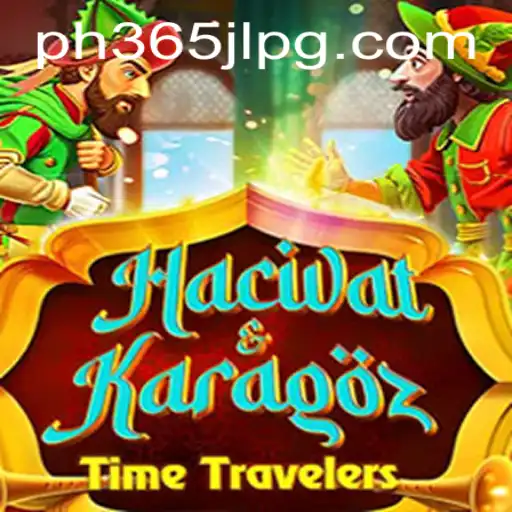
The art of shadow play has captivated audiences for centuries with its romantic combination of humor, drama, and cultural storytelling. Among the most cherished representations of this art form is the Turkish shadow play game, Hacivat and Karagoz. Deeply rooted in the rich traditions of the Ottoman Empire, Hacivat and Karagoz continue to charm audiences worldwide, offering glimpses into historical wisdom and contemporary relevance.
The origins of this game trace back to the 14th-century Ottoman Empire, where oral traditions were a primary means of storytelling. Known as the art of shadow puppetry, the play mainly revolves around two pivotal characters: Hacivat and Karagoz. The duo represents contrasting societal aspects, with Hacivat embodying wisdom and maturity, while Karagoz stands out with his wit and impulsiveness. Their verbal exchanges, often filled with puns and satirical commentary, are designed to be both entertaining and thought-provoking.
In today's rapidly evolving digital age, retaining cultural traditions has gained renewed importance. Hence, understanding a game like Hacivat and Karagoz gives a deeper appreciation for historic art forms that continue to influence contemporary storytelling methods, proving that traditional formats can coexist and even thrive alongside modern innovations.
The captivating nature of Hacivat and Karagoz lies in its unique presentation style, where storytellers use puppets made primarily from camel or water buffalo leather. These intricately crafted puppets cast shadows on an illuminated screen, creating a visual spectacle that enlivens the story. The bright colors and detailed designs add a layer of artistic craftsmanship that defines the game.
The play setting creates an intimate experience as audiences gather to witness these shadow figures come to life. Typically, the puppeteers orchestrate the entire performance behind the screen, manipulating the puppets to represent different narratives. Accompanied by traditional music and dramatic dialogue, the visual dynamics allow audiences to become fully immersed in the unfolding stories.
Hacivat and Karagoz is a structured form of entertainment with specific rules. Central to the game is the 'muhavere' or dialogue portion, where the titular characters play out various scenarios. This dialogue forms the main structure of each performance, infusing both humor and moral lessons reflective of societal norms. The dialogue usually consists of exchanges that reflect the witty yet philosophical bantering between Hacivat and Karagoz.
In modern adaptations, performances often incorporate current themes, allowing the game to maintain its relevance. The 'fasıl' or interlude portions are creatively modified by puppeteers to mirror present-day societal issues, ensuring that the moral and humorous narrative remains fresh for new audiences. This adaptability has preserved the game’s role as an influential medium in both education and entertainment.
Despite technological advancements leading to more sophisticated forms of entertainment, there is a growing resurgence in traditional games like Hacivat and Karagoz. Cultural festivals and educational programs around the world have recognized the importance of preserving this shadow play art form. These efforts contribute to cultural preservation and identity, facilitating international appreciation and exchange of cultural heritage.
Moreover, as today's world navigates issues such as globalization and cultural homogenization, embracing traditional games becomes essential for cultural diversity and richness. Incorporating traditional art forms into modern narratives and digital platforms presents opportunities for cross-generational education, bridging gaps between old traditions and new technologies. The potential for digital transformation reflects the adaptability of Hacivat and Karagoz, ensuring they remain dynamic figures in the evolving cultural landscape.
In essence, Hacivat and Karagoz are more than just traditional shadow puppets; they are cultural ambassadors and educational tools, embodying the essence of timeless storytelling. Their playful, ingenious interaction continues to inspire artists, educators, and storytellers alike, demonstrating the enduring power of cultural traditions in influencing modern creativity and engagement.
If you're looking for a reliable, fully licensed, and secure sportsbook with a wide selection of games, 365jlpg is the perfect choice. We're committed to providing you with the best online betting experience, with premium quality, excellent service, and continuous innovation. Sign up now and receive ₱777 for free!
Join now
Get the latest information, experience and betting strategies from the expert team at 365jlpg.
Explore the enchanting world of MilkyFarm. Learn how to thrive and survive in this unique farming simulation game, set in a magical land full of adventures.

Discover the thrilling world of BoxingKing, a blend of traditional boxing and modern gaming. Learn about its rules, gameplay, and the current landscape surrounding the game.
Discover the captivating universe of FlyingCaiShen, a game that blends innovation with tradition, offering players an engaging gaming experience. Learn about its unique features, gameplay, and rules.

Explore the captivating universe of GemstonesGold, a intriguing game that combines strategy and adventure with a twist of current events.

Discover the exciting world of FortunePanda and its engaging gameplay as it intersects with current events.

Dive into the exciting universe of JokerCoins, an innovative game captivating players worldwide.
 Join now